Sciatica vs. SI Joint Dysfunction: How to Tell the Difference
Share:
Summary:
Lower back pain radiating down your leg doesn’t always mean sciatica. SI joint dysfunction causes nearly identical symptoms, and the wrong diagnosis means months of ineffective treatment. This guide breaks down the key differences between these two conditions, explains how we diagnose them, and shows you why getting it right from the start matters for lower back pain relief. If you’ve been dealing with persistent leg pain in Hudson County, NJ or bouncing between treatments without results, this is what you need to know before your next appointment.
Table of contents
- What Is Sciatica and What Causes It
- Sciatica Symptoms That Help Identify Nerve Compression
- Chronic Back Pain Causes Behind Sciatica
- SI Joint Dysfunction Causes and Symptoms
- How SI Joint Pain Feels Different From Sciatica
- What Causes SI Joint Dysfunction
- Getting the Right Diagnosis Matters for Back Pain Relief
You’ve got pain shooting down your leg. Maybe it started in your lower back, maybe it showed up after lifting something heavy, or maybe it just appeared one morning. You assume it’s sciatica because that’s what everyone talks about. But what if it’s not? SI joint dysfunction can feel almost identical to sciatica. Same radiating pain. Same frustration. Different cause entirely. And if you’re treating the wrong problem, you’re wasting time and money on solutions that won’t work. Understanding the difference isn’t just helpful for your own knowledge—it’s essential to getting lower back pain relief that actually lasts. We’re going to walk through what separates these two conditions and why correct diagnosis matters before you start any treatment.
What Is Sciatica and What Causes It
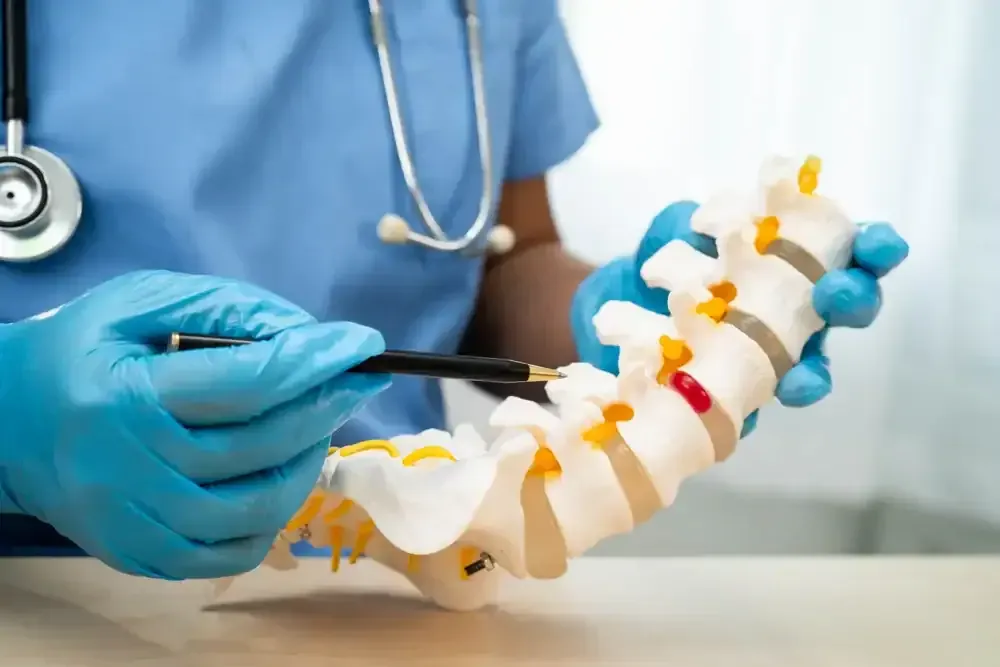
Sciatica isn’t a condition itself. It’s a symptom. Specifically, it’s pain that radiates along the path of your sciatic nerve, which runs from your lower back through your hips, buttocks, and down each leg. It’s the longest nerve in your body, which is why sciatica can cause pain anywhere along that entire route.
The pain happens when something compresses or irritates the nerve. Most often, that’s a herniated disc in your lumbar spine. The disc bulges out, presses on the nerve root, and triggers sharp, shooting pain down your leg. Other chronic back pain causes include bone spurs, spinal stenosis (narrowing of the spinal canal), or degenerative disc disease.
What makes sciatica distinctive is that it typically affects one side of your body. You might feel sharp, shooting pain, tingling, numbness, or even muscle weakness in the affected leg. For some people, it’s a dull ache. For others, it’s completely debilitating.
Sciatica Symptoms That Help Identify Nerve Compression
Sciatica symptoms vary from person to person, but there are patterns that help identify it. The hallmark is pain that starts in your lower back and travels down the back of your thigh, sometimes all the way to your calf or foot. That’s a key distinguisher: sciatica often extends below the knee, while SI joint pain typically stops at the thigh.
You might notice the pain gets worse when you sit for long periods, cough, sneeze, or make sudden movements. Standing up from a seated position can trigger a sharp jolt. Some people describe it as an electric shock sensation running down their leg. Others feel a constant burning or tingling that won’t quit.
Numbness and weakness are red flags that point to nerve compression. If you’re having trouble moving your foot, feeling sensations in your leg, or noticing changes in your reflexes, that suggests true sciatica rather than SI joint issues. True muscle weakness—not just pain that makes movement difficult, but actual inability to lift your foot or push off with your toes—indicates the nerve is being compressed somewhere along your spine.
The intensity varies wildly. Some people manage mild discomfort and keep working. Others can barely walk without shooting pain. But the pattern remains consistent: pain following the sciatic nerve pathway, often worsening with specific movements, and frequently accompanied by neurological symptoms like numbness or tingling that travel down into your foot.
What you’re experiencing is nerve compression sending distress signals. When a herniated disc or bone spur physically presses on the nerve root as it exits your spine, it sends pain signals down the entire nerve pathway. That’s why the pain can travel so far down your leg and why you might experience numbness or weakness. Your brain is receiving distress signals from a compressed nerve, and those signals radiate through the entire nerve distribution from your lower back all the way to your toes.
Chronic Back Pain Causes Behind Sciatica
Sciatica doesn’t just appear randomly. There are specific reasons why that nerve gets compressed, and understanding them helps explain why some people are more vulnerable than others—and why non-surgical back pain treatment focuses on addressing these root causes.
Herniated discs are the most common culprit. Your spinal discs are cushions between your vertebrae, and over time—or due to sudden injury—the outer layer can tear and allow the inner gel-like material to push out. When that bulge presses against a nerve root, you get sciatica. This can happen from heavy lifting with poor form, a sudden twisting motion, or simply from years of wear and tear on your spine that gradually weakens the disc structure.
Spinal stenosis is another major cause, especially in people over 50. As you age, the spinal canal can narrow due to bone overgrowth, thickened ligaments, or disc degeneration. That narrowing puts pressure on the nerves traveling through the canal. It’s a gradual process, which is why spinal stenosis-related sciatica often develops slowly rather than appearing overnight after one bad movement.
Bone spurs can form along your spine as a result of osteoarthritis. These bony projections can jut into the space where nerves exit the spinal column, causing compression and irritation. Degenerative disc disease—where discs lose height and cushioning ability over time—can also lead to nerve compression as vertebrae move closer together and the spaces where nerves exit become narrower.
Risk factors include age (discs degenerate over time), occupation (jobs requiring heavy lifting, twisting, or prolonged sitting put extra stress on spinal discs), obesity (extra weight increases stress on your spine with every movement), diabetes (which can cause nerve damage that makes you more susceptible), and prolonged sitting (which actually puts more pressure on spinal discs than standing does). Even pregnancy can trigger sciatica due to the extra weight and postural changes that shift your center of gravity.
What’s important to understand is that sciatica stems from a structural issue in your spine that’s physically compressing a nerve. It’s not about joint inflammation or misalignment—it’s about something pressing on the nerve itself. That distinction becomes crucial when we compare it to SI joint dysfunction, where the mechanism of pain is entirely different and requires different chiropractic services to address.
Want live answers?
Connect with a DR Roses expert for fast, friendly support.
SI Joint Dysfunction Causes and Symptoms
Your sacroiliac joints sit where your spine meets your pelvis, one on each side of your lower back. They’re small but mighty, absorbing shock between your upper body and legs with every step you take. When these joints aren’t moving correctly—either too much or too little—you develop SI joint dysfunction.
The critical difference from sciatica: SI joint dysfunction isn’t caused by nerve compression. There’s no herniated disc pushing on a nerve root. Instead, the pain comes from the joint itself being inflamed, unstable, or misaligned. The joint can irritate nearby nerves without actually compressing them, which is why the pain can radiate down your leg and mimic sciatica even though the source is completely different.
The pain pattern differs, though. SI joint dysfunction typically causes pain in your lower back that’s off to one side. You can usually pinpoint exactly where it hurts—right around that dimple at the base of your spine. The pain might radiate into your buttock, hip, or thigh, but it rarely travels below your knee. That’s a key distinguishing feature when you’re trying to figure out what’s actually causing your symptoms.

Sciatica Symptoms That Help Identify Nerve Compression
Sciatica symptoms vary from person to person, but there are patterns that help identify it. The hallmark is pain that starts in your lower back and travels down the back of your thigh, sometimes all the way to your calf or foot. That’s a key distinguisher: sciatica often extends below the knee, while SI joint pain typically stops at the thigh.
You might notice the pain gets worse when you sit for long periods, cough, sneeze, or make sudden movements. Standing up from a seated position can trigger a sharp jolt. Some people describe it as an electric shock sensation running down their leg. Others feel a constant burning or tingling that won’t quit.
Numbness and weakness are red flags that point to nerve compression. If you’re having trouble moving your foot, feeling sensations in your leg, or noticing changes in your reflexes, that suggests true sciatica rather than SI joint issues. True muscle weakness—not just pain that makes movement difficult, but actual inability to lift your foot or push off with your toes—indicates the nerve is being compressed somewhere along your spine.
The intensity varies wildly. Some people manage mild discomfort and keep working. Others can barely walk without shooting pain. But the pattern remains consistent: pain following the sciatic nerve pathway, often worsening with specific movements, and frequently accompanied by neurological symptoms like numbness or tingling that travel down into your foot.
What you’re experiencing is nerve compression sending distress signals. When a herniated disc or bone spur physically presses on the nerve root as it exits your spine, it sends pain signals down the entire nerve pathway. That’s why the pain can travel so far down your leg and why you might experience numbness or weakness. Your brain is receiving distress signals from a compressed nerve, and those signals radiate through the entire nerve distribution from your lower back all the way to your toes.
Chronic Back Pain Causes Behind Sciatica
Sciatica doesn’t just appear randomly. There are specific reasons why that nerve gets compressed, and understanding them helps explain why some people are more vulnerable than others—and why non-surgical back pain treatment focuses on addressing these root causes.
Herniated discs are the most common culprit. Your spinal discs are cushions between your vertebrae, and over time—or due to sudden injury—the outer layer can tear and allow the inner gel-like material to push out. When that bulge presses against a nerve root, you get sciatica. This can happen from heavy lifting with poor form, a sudden twisting motion, or simply from years of wear and tear on your spine that gradually weakens the disc structure.
Spinal stenosis is another major cause, especially in people over 50. As you age, the spinal canal can narrow due to bone overgrowth, thickened ligaments, or disc degeneration. That narrowing puts pressure on the nerves traveling through the canal. It’s a gradual process, which is why spinal stenosis-related sciatica often develops slowly rather than appearing overnight after one bad movement.
Bone spurs can form along your spine as a result of osteoarthritis. These bony projections can jut into the space where nerves exit the spinal column, causing compression and irritation. Degenerative disc disease—where discs lose height and cushioning ability over time—can also lead to nerve compression as vertebrae move closer together and the spaces where nerves exit become narrower.
Risk factors include age (discs degenerate over time), occupation (jobs requiring heavy lifting, twisting, or prolonged sitting put extra stress on spinal discs), obesity (extra weight increases stress on your spine with every movement), diabetes (which can cause nerve damage that makes you more susceptible), and prolonged sitting (which actually puts more pressure on spinal discs than standing does). Even pregnancy can trigger sciatica due to the extra weight and postural changes that shift your center of gravity.
What’s important to understand is that sciatica stems from a structural issue in your spine that’s physically compressing a nerve. It’s not about joint inflammation or misalignment—it’s about something pressing on the nerve itself. That distinction becomes crucial when we compare it to SI joint dysfunction, where the mechanism of pain is entirely different and requires different chiropractic services to address.
Want live answers?
Connect with a DR Roses expert for fast, friendly support.
SI Joint Dysfunction Causes and Symptoms
Your sacroiliac joints sit where your spine meets your pelvis, one on each side of your lower back. They’re small but mighty, absorbing shock between your upper body and legs with every step you take. When these joints aren’t moving correctly—either too much or too little—you develop SI joint dysfunction.
The critical difference from sciatica: SI joint dysfunction isn’t caused by nerve compression. There’s no herniated disc pushing on a nerve root. Instead, the pain comes from the joint itself being inflamed, unstable, or misaligned. The joint can irritate nearby nerves without actually compressing them, which is why the pain can radiate down your leg and mimic sciatica even though the source is completely different.
The pain pattern differs, though. SI joint dysfunction typically causes pain in your lower back that’s off to one side. You can usually pinpoint exactly where it hurts—right around that dimple at the base of your spine. The pain might radiate into your buttock, hip, or thigh, but it rarely travels below your knee. That’s a key distinguishing feature when you’re trying to figure out what’s actually causing your symptoms.